
Valves are critical components in any piping system but when it comes to pressurized steam and boiler-based applications, choosing between IBR and Non-IBR valves is extremely important. Using the wrong type can lead to leakages, system failure, safety hazards, or even legal consequences.
What is IBR?
IBR stands for Indian Boiler Regulation, a legal framework in India that governs the design, manufacturing, inspection, installation, and certification of boilers and steam-generating equipment.
Simply put : If a valve is used in steam, boiler feed, or high-pressure applications, it must be IBR approved.
What Makes a Valve IBR Compliant?
- Certified raw materials (as per IBR Grade)
- Manufactured under government inspection
- Tested for pressure, temperature, and sealing performance
- Comes with Form III or Form IV (legal certification)
What Makes a Valve IBR Compliant?
- Certified raw materials (as per IBR Grade)
- Manufactured under government inspection
- Tested for pressure, temperature, and sealing performance
- Comes with Form III or Form IV (legal certification)
What Happens If You Use Non-IBR Valve in an IBR System?
- Insurance claims get rejected
- Risk of system explosion or corrosion failure
- Legal violation (especially in power plants, steam lines, refineries)
Where Are IBR Valves Used?
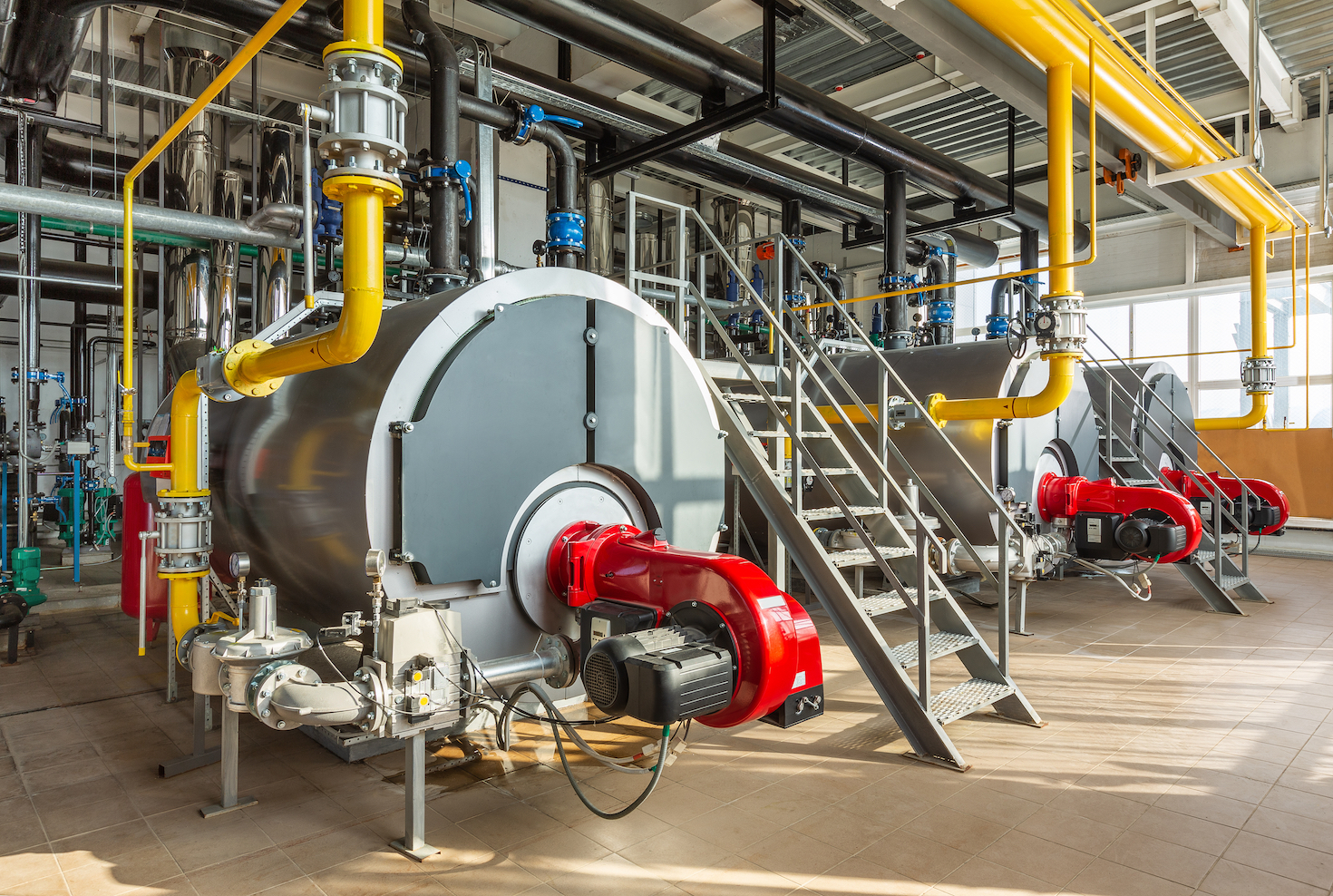
- Thermal & Power Plants
- Steam Distribution Systems
- Chemical Reactors
- Refinery Steam Loops
Where Are Non-IBR Valves Used?
- Firefighting lines
- General water distribution
- Compressed air & lubrication lines
- Plumbing and industrial utility systems
What Are Non-IBR Valves?
Non-IBR valves are used in applications like water, oil, HVAC lines, irrigation, compressed air, and general industries, where pressure and temperature are moderate.
Quick Comparison Table
| FEATURE | IBR VALVES | NON-IBR VALVES |
|---|---|---|
| Certification | Required | Not Required |
| Inspection Authority | Government Approved Body | Manufacturer |
| Pressure & Temperature | High | Low to Medium |
| Usage | Boiler, steam, pressure vessels | General pipe-lines |
Use IBR valves where safety, certification, and legal compliance is critical.
Use Non-IBR valves where general industrial flow is sufficient.